

Hotel Property Improvement Plans (PIPs) in 2026: What Every Owner and Franchisee Needs to Know
- Joey Nelson

- 14 hours ago
- 4 min read
Hotel owners and franchisees across the country are facing a busy season of required upgrades. With new hotel supply continuing to grow and guest expectations evolving rapidly, brands are issuing Property Improvement Plans (PIPs) more strategically than ever. Whether you’re preparing for a sale, refinance, inspection, or routine brand compliance, understanding how to approach a PIP in 2026 can protect your asset value and improve long-term returns.
At KDK Construction, we work with hospitality clients on renovation and improvement projects throughout Utah, Washington, and the western United States. In this guide, we break down what a PIP actually involves, why timing and planning matter this year, and practical steps owners and franchisees can take to execute successfully.
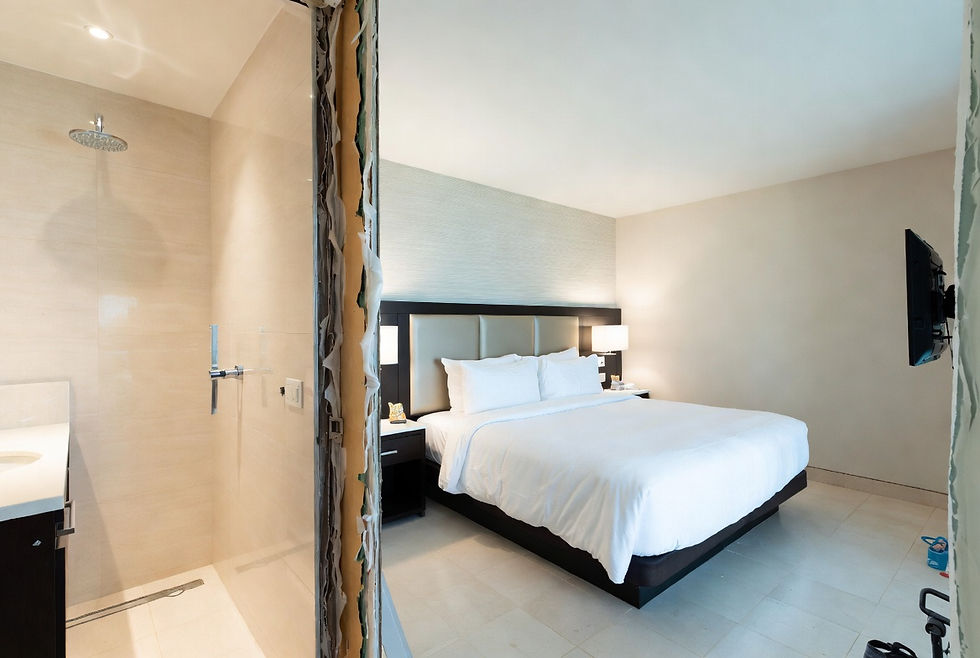
What Is a Hotel Property Improvement Plan (PIP)?
A Property Improvement Plan (PIP) is a brand-mandated document that outlines specific upgrades a hotel must complete to meet current franchise standards. These plans typically cover guest rooms, public areas, exterior appearance, technology, accessibility, and back-of-house operations.
PIPs are not optional if you want to maintain your flag. They are designed to protect brand consistency and guest experience across the system. In practice, they often include requirements for:
Updated finishes, furnishings, and fixtures (FF&E)
Bathroom renovations and accessibility upgrades
Technology enhancements (keyless entry, Wi-Fi, smart controls)
Exterior and signage improvements
Energy efficiency or sustainability measures
Public space and lobby refreshes
Operational improvements in laundry, housekeeping, or food service areas
Why PIPs Matter More in 2026
The hospitality market in 2026 is shaped by two powerful forces: continued new hotel development and heightened competition for guests. With more rooms entering the market, brands are tightening standards to differentiate their properties and protect long-term loyalty.
At the same time, many owners are navigating debt maturities, potential sales, or refinances. A well-executed PIP can increase property value and appeal to buyers, while a delayed or poorly managed one can reduce sale proceeds or create friction during transactions.
Early and strategic planning around PIPs is giving proactive owners and franchisees a competitive edge in both operations and exit planning.
Typical Scope and Priorities in a 2026 PIP
While every brand and property is different, most 2026 PIPs emphasize guest-facing areas that directly impact reviews and rates. Common focus areas include:
Guest rooms and bathrooms — The highest-impact spaces for guest satisfaction and ADR.
Technology and connectivity — Contactless solutions, reliable high-speed internet, and modern in-room controls.
Curb appeal and exterior — Landscaping, signage, lighting, and parking lot condition.
Public and meeting spaces — Lobbies, corridors, and event areas that influence first impressions.
Accessibility and compliance — Ensuring the property meets current ADA and brand accessibility standards.
Operational efficiency — Back-of-house improvements that reduce costs and improve staff workflow.
Prioritizing items that improve both guest experience and revenue potential tends to deliver the best return on the required investment.
Tips for Hotel Owners Navigating a PIP
Start early and understand the full scope Don’t wait for the brand to issue a formal PIP. Request a preliminary assessment or review recent inspection reports so you can budget and plan proactively.
Separate “must-do” from “nice-to-do” items Work with your brand representative to clarify which upgrades are mandatory versus recommended. This helps you allocate capital efficiently.
Plan for minimal revenue disruption Phased renovations that allow portions of the hotel to remain open are usually preferable to full shutdowns. An experienced general contractor can help develop a realistic phasing plan.
Budget for contingencies Renovation projects often reveal unexpected conditions (especially in older properties). Build a 10–15% contingency into your budget.
Focus on ROI, not just compliance Look for upgrades that can support higher average daily rates or improved occupancy. Well-designed bathrooms, modern technology, and strong curb appeal often pay for themselves through better guest feedback and pricing power.
Special Considerations for Franchisees
Franchisees often face tighter timelines and stricter brand oversight than independent owners. Key recommendations include:
Maintain open communication with your brand representative throughout the process.
Document everything — photos, approvals, change orders, and completion records protect you during inspections and future transactions.
Consider the long-term value of the improvements. A strong PIP execution can make your property more attractive if you ever decide to sell or add additional locations.
Work with a general contractor who understands both construction execution and the unique requirements of branded hospitality work.
How to Successfully Execute Your PIP Project
Successful PIPs share several characteristics:
Clear scope definition upfront
Realistic timeline that accounts for material lead times and permitting
Strong project management and regular communication with the brand
Selection of a general contractor experienced in hospitality renovations and tenant improvements
Focus on quality execution that meets (or exceeds) brand standards the first time
Choosing the right partner makes a significant difference. Hospitality renovations require coordination around operating hours, guest experience, and brand approval processes that differ from typical commercial construction.
Why Experience Matters When Choosing a General Contractor
Not every general contractor is equally equipped for hotel PIP work. Look for a team with:
Proven experience in hospitality and commercial renovations
Strong relationships with reliable subcontractors across the western U.S.
Ability to manage phased work while the property remains operational
Track record of completing projects on time and within budget
Understanding of brand standards and the documentation required
At KDK Construction, our team brings decades of combined experience in commercial, hospitality, and medical construction. We handle projects from initial planning through final turnover, with a focus on clear communication, quality workmanship, and minimizing disruption to your operations and guests.
Ready to Plan Your Next Hospitality Project?
Whether you’re preparing for an upcoming PIP, exploring a full renovation, or planning new construction, having the right general contractor on your side from the beginning can save time, reduce stress, and improve your results.
Contact KDK Construction today to discuss your project. Reach out here https://lnkd.in/gFXGPDTV
We serve clients across Utah, Washington, Idaho, Wyoming, and the western United States with reliable, high-quality construction services built on a foundation of service, quality, and integrity.

Comments